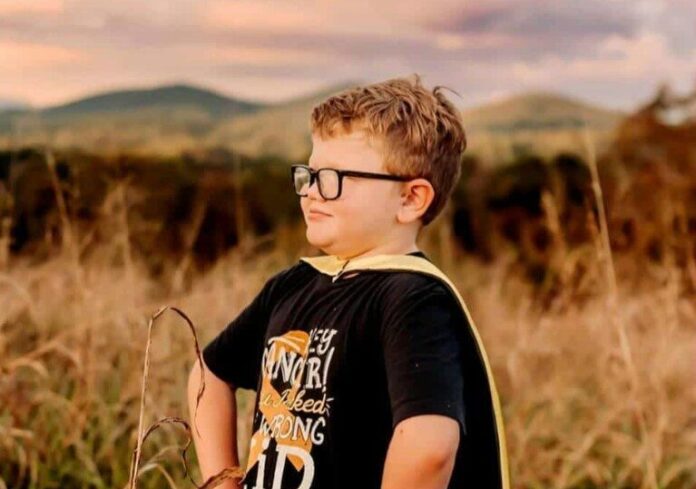
Kayden Sorrells appears in his hospital photograph with a wide, steady smile that rises from behind thick glasses. His posture in the picture carries the courage that has marked his nine years. He will turn ten in March. He stands a little smaller than most children his age, yet the image shows a boy who meets the world face forward and a calm that does not bend to the storm.
Months remembered in fragments
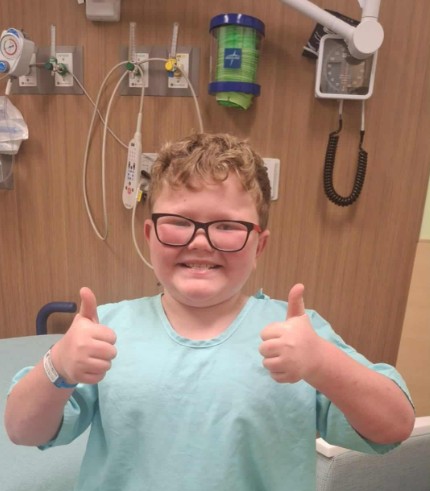
His mother, Angel Millwood, watched from the other side of the camera, her heart expanding at the sight of her son. She has learned to measure progress in mercies that arrive like manna, enough to sustain her each day.
Kayden reads with the help of a magnifying projector that enlarges each line on a book or worksheet. He leans close, tracks each shape, and keeps pace with his class.
The work takes time, but he does not complain. He knows the reason for these challenges rests in a story that began before his first birthday.
Angel remembers those months in fragments. Kayden’s eyes never held still. By three months, they moved in constant motion. His head grew too fast. By seven months, he could not stop vomiting. A pediatrician missed the signs, and the tumor on his brain pressed against his spine before anyone realized the danger. When they reached Children’s Healthcare of Atlanta, nurses and doctors took swift action. A CT scan revealed specks across his brain. An MRI uncovered three tumors on his spine, seven on his head, and more small marks that the doctors monitored with care.
A biopsy gave Angel the news no parent expects. Kayden had a cancer that no other child had been diagnosed with. Specialists in Colorado gathered to decide how to treat it. In December 2016, he began oral chemotherapy, swallowing fourteen pills at a time. The treatment lasted six months. When the next MRI came, only one tumor remained, the one near his eye and deep within his head. That is the tumor he still fights.
Kayden became one of the first children to receive Diraphenid. The drug was provided to him without cost. After his case, other children began to develop this specific cancer and consequently gained access to the same treatment. Now he takes Teflinar. The cancer carries the name A-Typical Ganglioma. It does not bring seizures, but it limits his vision and adds strain to everyday.
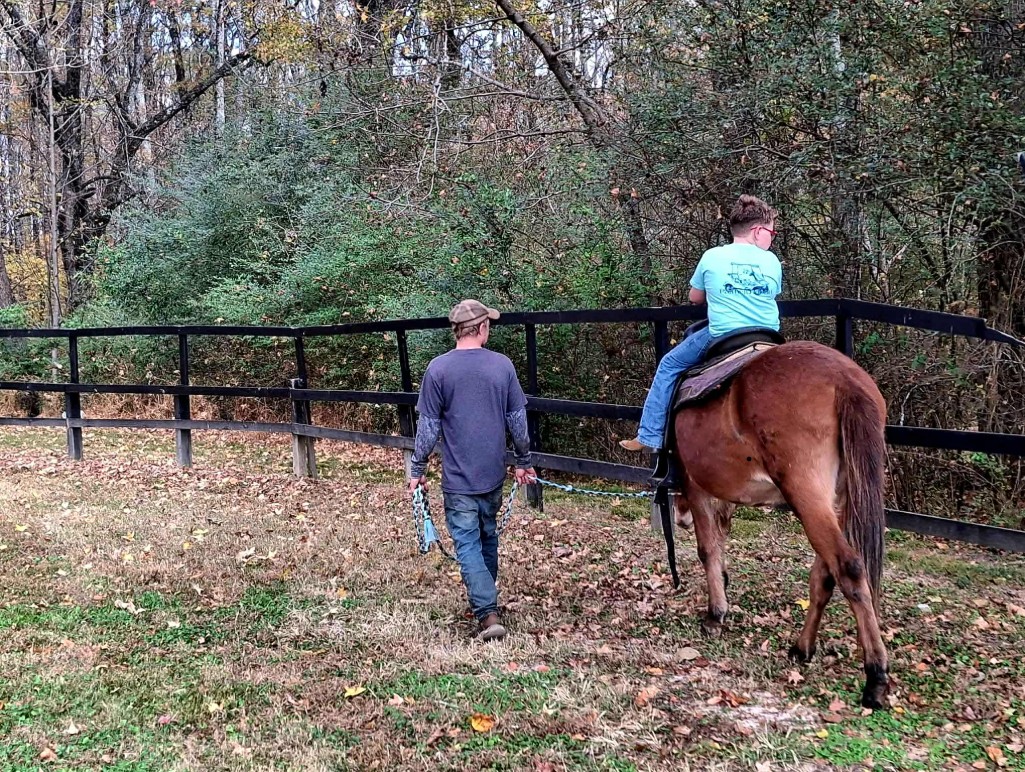
Angel calls him “smart as a whip.” Kayden holds facts the way other children hold toys. He asks questions, studies maps, remembers long strings of information. His legal blindness shapes the way he moves through the world, yet it does not blunt his curiosity or dull the way he learns.
Make-A-Wish built a two-story playground in the yard of their home. It has a spiral slide, a play kitchen, and two swings. Kayden calls it his fort. He climbs its steps with the alacrity only a kid can muster.
Angel believes their home, their survival, and their path through these years did not happen by chance. She remembers one night with clarity. It was three in the morning. Kayden was in an MRI machine. She feared he would not live. Anger rose in her throat. She told God she did not understand this suffering; she experienced burning hatred. A television in the waiting room shifted from a vacuum commercial to a sermon. Joel Osteen stood on the screen and said, “I know the medical report did not go how you planned. But God has got His hands on it. When you are resting, God is working, so rest so God can work.”
Pediatric cancer services in Georgia

Families in Northeast Georgia who receive a pediatric cancer diagnosis often begin their care through regional pediatric practices and specialty clinics, but the heart of treatment for serious conditions, including brain and spinal tumors, takes place within Georgia’s large children’s hospitals. These systems serve as the bulwark for the state’s network of care and provide the multidisciplinary teams needed for complex conditions—oncologists, neurosurgeons, radiologists, therapists, genetic counselors, and long-term survivorship specialists who walk with families from diagnosis through recovery or ongoing management.
Children’s Healthcare of Atlanta (CHOA) serves as the primary hub for pediatric oncology in the region. CHOA’s Aflac Cancer and Blood Disorders Center is one of the largest pediatric cancer programs in the country, drawing families from across North Georgia and surrounding states. Children receive access to cutting-edge therapies, clinical trials, neurosurgical teams for tumor removal, and coordinated long-term care. For many families in Northeast Georgia, CHOA becomes the center of their medical world, even when they live an hour or more away.
The work of nonprofit organizations also plays a vital role in the lives of these families. The Pediatric Brain Tumor Foundation, based in the Southeast, stands as one of the nation’s leading organizations dedicated solely to the needs of children with brain tumors and their families. The Foundation funds research for safer treatments, offers family support programs, provides educational resources, and assists with the many practical burdens that come with a pediatric cancer diagnosis. Its outreach programs help families navigate appointments, transportation, financial strain, and the emotional upheaval that follows a child’s diagnosis. For many parents, the Foundation becomes a bridge, connecting them to information, specialists, and a community that understands their fears.

Across the state, Georgia continues to expand its network of specialized pediatric services. Survivorship clinics help children transition into adolescence and adulthood with careful monitoring for late effects of treatment. Palliative care teams offer comfort and symptom support at every stage of illness. Mental health professionals address trauma, anxiety, and school reintegration. These services reflect a growing recognition that pediatric cancer care extends far beyond chemotherapy; it involves the whole child and the whole family.
In Northeast Georgia, families may travel to Atlanta for specialized treatment, but they rely on the strength of their home communities to sustain them. Churches organize meal trains. Local nonprofits offer financial assistance. Schools support siblings and create stability amid crisis. Pediatric cancer care in Georgia is a medical system, but it’s also a web of compassion that stretches from large hospital centers to small rural towns, cradling families in times of strife and sorrow.
A young man who lives his faith
Kayden was born on Easter Sunday in a leap year. Angel has carried meaning in that timing ever since. She attends Chestatee Worship Center in Dawsonville. Kayden prays for every stranger he sees in trouble. When he passes a wreck, he bows his head and speaks a prayer for the people inside. He tells others God will heal him. He believes it without hesitation.
“Kayden walks his faith out,” Angel says. “He knows God hears him.”