
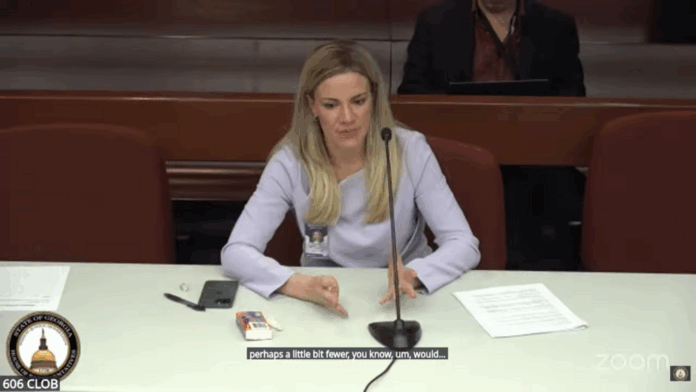
ATLANTA, Ga. — The Georgia Division of Family and Children Services (DFACS) is grappling with a projected budget shortfall of more than $85 million, triggering immediate service cuts and a near-halt on new foster care placements by private providers. These figures were announced during a Joint Judiciary Juvenile and Appropriations Human Resources Subcommittee meeting held on December 18, 2025. The financial crisis comes even as the state of Georgia reports a historic $14 billion budget surplus.
State officials attribute the deficit, estimated between $85 million and $87.5 million for the fiscal year, to a convergence of economic pressures. According to the Georgia Department of Human Services, the cost of care has risen nearly 50% over the last three years. Inflation, a decrease in federal funding, and delayed grants resulting from a federal government shutdown have compounded the issue.
Immediate impact on vulnerable families
To manage the shortfall, DFACS has implemented aggressive cost-control measures. These include terminating or suspending contracts with private providers and slashing supplemental aid previously available to foster families. This aid is often critical for families fostering children with complex needs, such as developmental disabilities or severe medical conditions.
Allison Ashe, CEO of the nonprofit Wellroot Family Services, warned that these financial decisions are taking precedence over child welfare. Ashe stated that children—especially those with special needs—risk “falling through the cracks” because decisions are now being driven by financial constraints rather than the best interests of the child.
Foster families have reported losing resources they were promised when they initially agreed to take in children.
Locally, family members of the accused murderer, Jessica Motes, have questioned the lack of investigative involvement of DFACS that may have intervened in the death of 4-year-old Autumn Fox earlier this year.
Administrative bottleneck halts new cases
In November 2025, the impact of the deficit widened when DFACS issued a directive to private providers to stop accepting new cases without explicit written approval from the state. DHS Commissioner Candice Broce confirmed the directive during the December Subcommittee meeting. This requirement has created a significant administrative bottleneck.
One agency reported that, while they typically handle 300 to 500 cases a month, they received approval for only 5 cases after the new rule went into effect. Providers describe a system where routine authorizations have effectively ground to a halt, requiring an “extra layer of review” that delays critical services.
Rising costs and legislative scrutiny
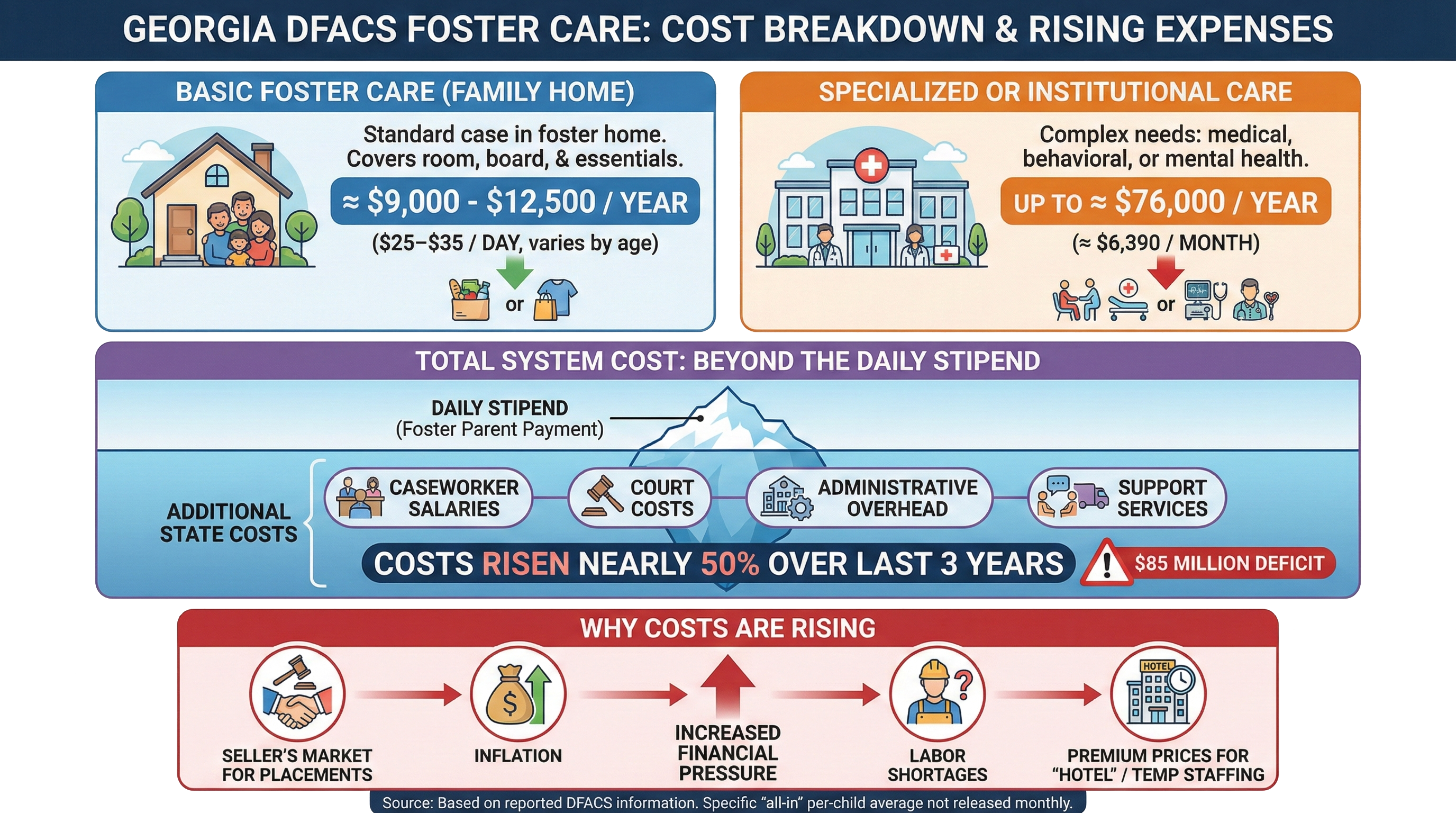
The cost of care varies widely depending on the child’s needs. While basic foster care in a family home costs the state roughly $9,000 to $12,500 per year, specialized care for children with behavioral or medical needs can reach approximately $76,000 annually. Officials note that a “seller’s market” for placement services, driven by labor shortages and inflation, has forced the state to pay premium prices, particularly for temporary staffing or hotel placements when traditional homes are unavailable.
The crisis has drawn sharp criticism from state lawmakers, who have questioned DFACS leadership regarding how the deficit reached this point, given the state’s overall financial health.
State Rep. Esther Panitch (D-Sandy Springs) criticized the agency’s handling of the situation. According to the legislative record from late 2025, Panitch noted that legislators are “left trying to clean up the mess” created by the sudden shortfall.
As providers warn of layoffs and a system nearing collapse, the contrast between the agency’s austerity measures and the state’s multi-billion dollar surplus remains a central point of contention for advocates and legislators alike.