
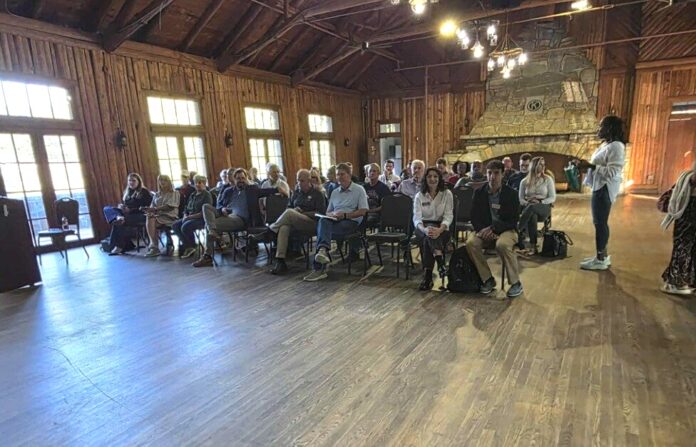
CORNELIA, Ga. — In a packed meeting hall, Jessie Owensby, the city’s community development manager and a leader of Cornelia’s Georgia Initiative for Community Housing (GICH) team, opened a discussion that has long been simmering beneath the surface of this mountain town: how to house its people.
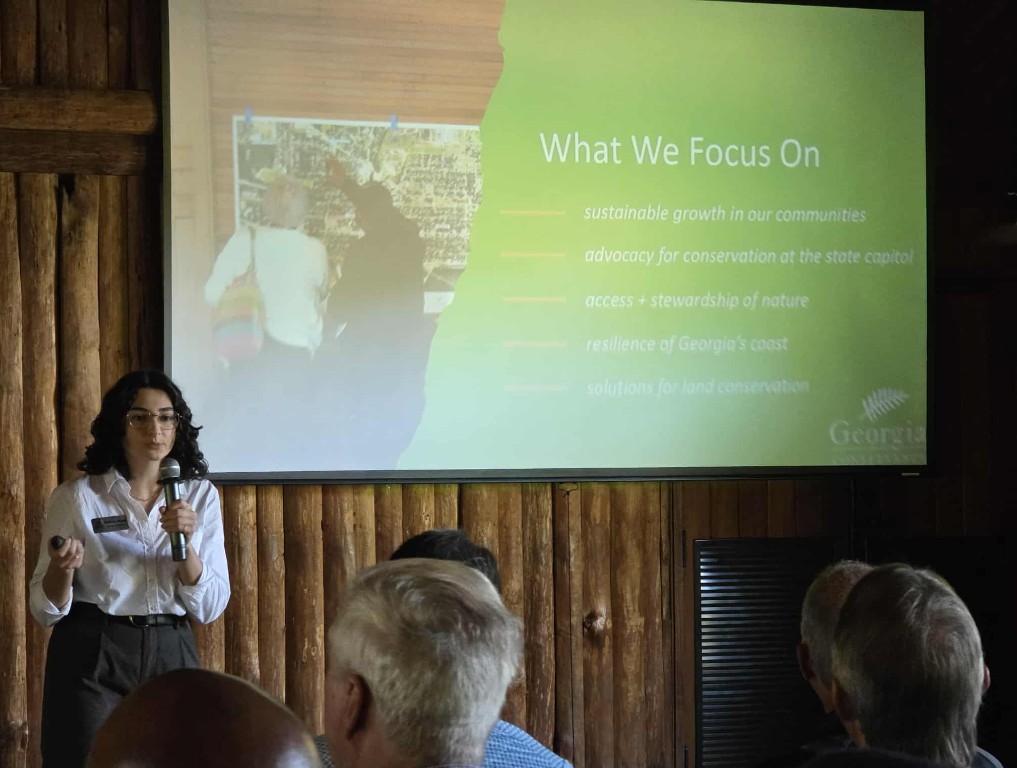
Owensby, joined by Michaela Master and Luben Raytchev of the Georgia Conservancy, presented the results of a months-long housing study. The findings, drawn from public surveys and data analysis, underscore a challenge familiar to many small Southern cities — an insufficient supply of affordable, varied housing to meet the needs of both young families and older residents.
A gap in small homes
Data show a clear gap in smaller footprint houses. The median single-family home in Cornelia is 1,484 square feet, but starter homes are scarce, especially for first-time buyers.
“Given both needs and preferences, there is a gap of housing variety, particularly smaller and for-sale opportunities,” the report noted. Smaller homes, with lower square footage and lot sizes, often translate to more affordable price points, both upfront and in long-term maintenance.
Who struggles the most
Two groups are struggling in particular: younger families with modest incomes, priced out of starter homes, and older empty nesters, many of whom feel “golden handcuffed” to large properties that have become difficult to maintain. Both groups, the study suggests, need alternatives that better match their financial and lifestyle realities.
Preferences for new typologies
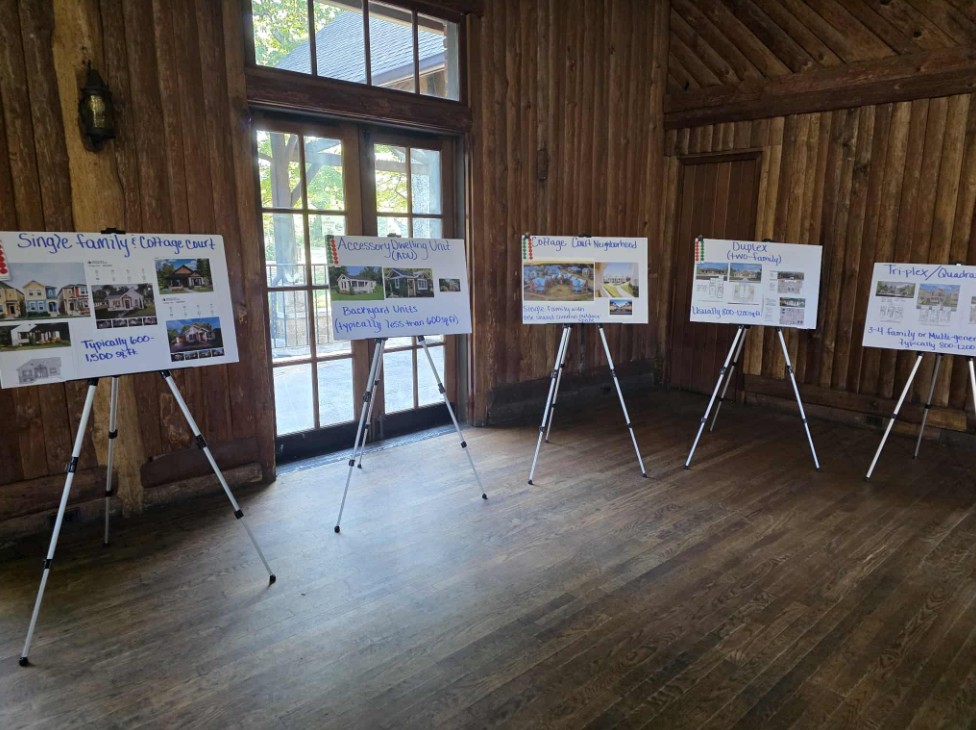
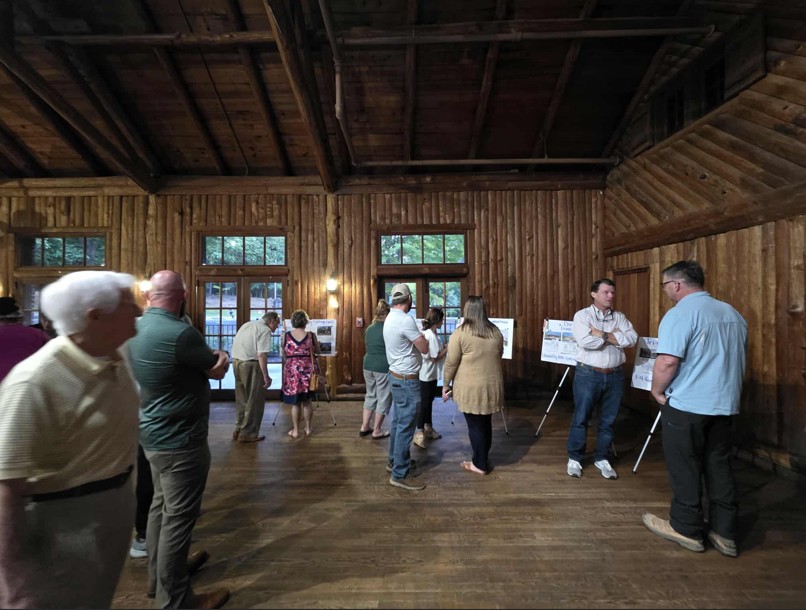
Residents expressed strong interest in alternatives to conventional subdivisions. Accessory Dwelling Units (ADUs) and “cottage courts” — clusters of small homes built around shared green space — emerged as the top two preferences. In survey responses, 55 percent of participants described themselves as “somewhat or extremely interested” in these models.
The results point toward a shift in expectations: Cornelia residents appear ready to embrace more flexible, compact forms of housing, provided they are designed with community in mind.
Policy and regulatory hurdles
Master and Raytchev emphasized that Cornelia’s regulations will need to evolve to meet this demand. Current zoning and subdivision ordinances often impose minimum square footage and lot sizes that discourage innovation.
One recommendation calls for calibrating regulations to “give preferred development the path of least resistance” — effectively making ADU and cottage court projects legal by right. Another urges the city to get creative with Planned Unit Developments (PUDs) to allow greater flexibility.
Broader market pressures
The study also placed Cornelia’s housing challenge in the context of regional income distribution. Roughly half of households fall below the area’s median income, limiting their access to market-rate housing.
“Housing supply is not as varied as the needs and preferences of households,” the report stated, highlighting the mismatch between what residents earn and what the market offers.
Next steps
Pro-housing action items presented to the city include adopting a housing agenda that values diversity and attainability, educating stakeholders such as developers and real estate agents, and piloting projects that demonstrate new approaches in action.
One site design presented showed a seven-acre development with 48 units — a density of nearly seven units per acre — that wove homes around a central greenway. Such projects, planners said, could help Cornelia address both its housing shortfall and its community character.
A turning point
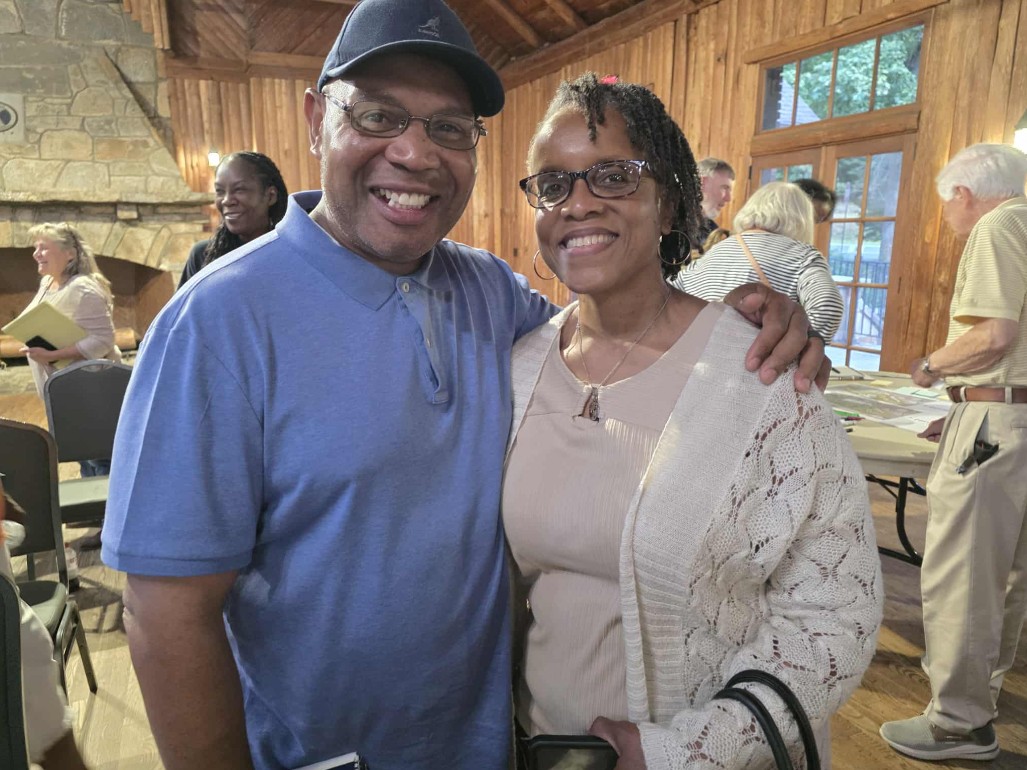
For Cornelia, the housing conversation is no longer hypothetical. With vacant parcels scattered across the city and pressure mounting from both younger families and older residents, the choices made in the coming years will shape the town’s trajectory.
As Owensby put it in her opening remarks, “Housing is an issue that affects everyone.” The study suggests Cornelia has options. Now, all agree, is the time to act.