CORNELIA, Ga. – One week after a major annexation proposal unraveled during a tense, 3.5-hour public hearing, Cornelia officials voted Tuesday to impose an emergency moratorium on accepting new annexation requests while the city reevaluates it ordinances and infrastructure capacity.
The unanimous vote follows the collapse of the proposed Red Apple Innovation Corridor, a 216-acre annexation and rezoning plan along Highway 365 that drew unprecedented public turnout and significant opposition. The measure died Dec. 2 when a motion to repost the ordinance failed to receive a second. A clerical error in the paperwork prevented commissioners from voting on the proposal as presented, and the companion ordinance governing development agreements also fell away.
A necessary reset
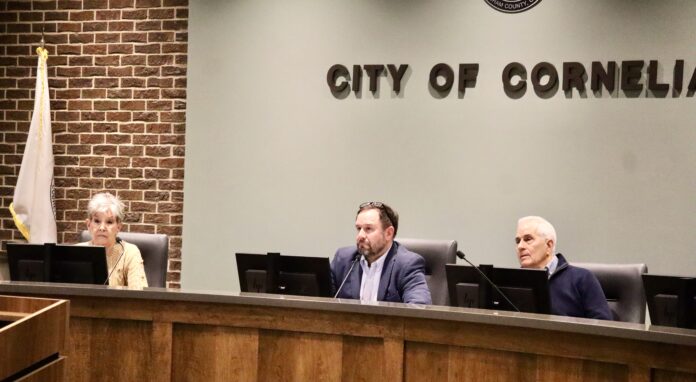
On Tuesday, Cornelia Mayor John Borrow opened the special meeting by acknowledging the city had been inundated with resident feedback since the hearing. He said the moratorium is a necessary reset.
“The reason we’re here is a consideration of an emergency moratorium on annexation requests, and that is based on the tremendous amount of public feedback we’ve received in the past several weeks,” Borrow said. He added that although annexation procedures are largely governed by state law, cities have the responsibility to ensure local ordinances reflect their long term vision. “We felt we needed to pump the brakes and make sure we had all of our ducks in a row before we do anything else bigger like this.”
Borrow said the failed annexation highlighted the stakes involved in large-scale developments. “It was a a big development, and there were a lot of things that had to go right for it to pass,” he said. “If one thing didn’t go right then we saw what happened. It died for lack of a second.”
Water and sewer capacity
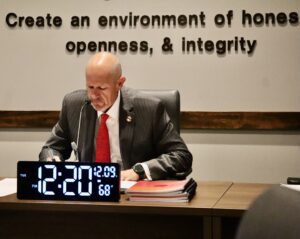
City manager Donald Anderson told commissioners the proposed pause would give staff time to examine gaps in the city’s ordinances and conduct a comprehensive study of Cornelia’s water and sewer capacity. “The recent annexation request pointed out some issues with our existing annexation ordinances,” Anderson said. “It also raised some questions about our water and sewer capacity and whether we can serve a large development.”
Anderson said engineers will evaluate the city’s average daily water usage and factor in demand from already approved developments recently built or currently under construction. The analysis will help determine whether Cornelia can support additional growth.
“The last thing we want to do is approve a development and then realize we don’t have the water to serve it,” Anderson said.
City attorney Steve Campbell said the moratorium will last up to 180 days or end sooner if the review is completed. He noted that any ordinance changes relating to annexation could trigger required zoning procedures, adding time to the process. Anderson confirmed that no additional annexation requests are currently pending before the city.
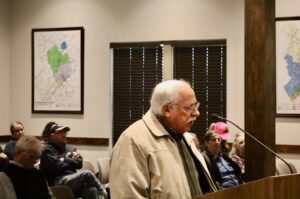
During the public hearing, resident David Oppenheimer encouraged commissioners to carefully study the city’s future needs and rely on verified information rather than social media speculation. Oppenheimer said he believes annexation decisions should account for Cornelia’s infrastructure, economic opportunities, and long-term growth. “I trust y’all on the decisions that you’ll make,” he told the commission.
The commission then voted to unanimously approve the moratorium.
Commitment to transparency
After the meeting, Borrow told Now Habersham that Tuesday’s action reflects a commitment to improving transparency and ensuring clear, consistent standards.
“It became clear to us that we need step back and make sure that we have a consistent process and a consistent message, and that our ordinances an regulations actually reflect what we want to do win Cornelia and what our constituents want,” Borrow said. He added that any future annexation policies will involve collaboration with Habersham County and guidance from the state. “What can we in Cornelia do to make sure that we’re doing things properly?” he said.
Gives the city more information
Commissioner Mark Reed, who last week defended the Red Apple Innovation Corridor proposal, said he supported the moratorium as a practical way to address community concerns. “I think it’s a good idea,” Reed said. “It will give the city more information to be able to answer some of the questions that were brought up at the last meeting.”
Reed said the process will help the city refine zoning language and definitions. “We heard the public, and we’re trying to make sure that our procedures and our definitions and our understanding of our capacity are things that we know, instead of things we don’t know.”
Reed also emphasized that Cornelia’s infrastructure is stronger than some residents may believe. He noted that between 80 and 90 percent of the city’s water lines have been replaced over the past four years and that wastewater treatment upgrades as allocated in the city’s 2026 budget remain underway.
Still, Reed said the city should answer lingering questions as quickly as possible. “Six months is a long time when you are borrowing money.” he said.
The moratorium will remain in place for up to 180 days as the city reviews its ordinances, evaluates water and sewer capacity, and prepares recommendations for the future.