
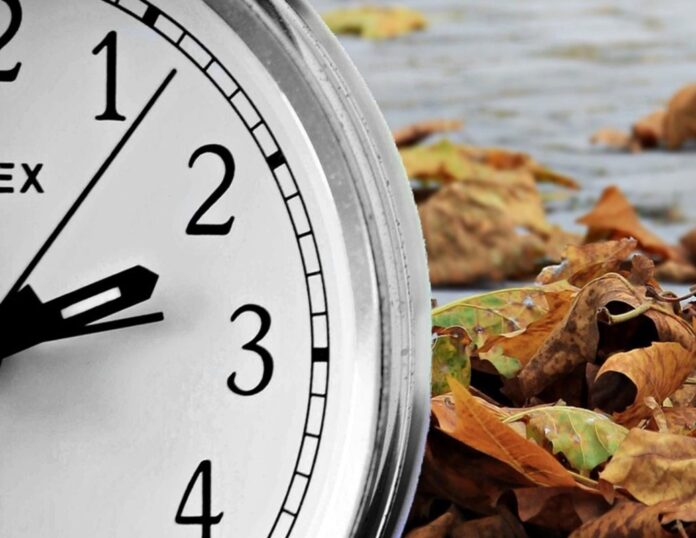
Most of us look forward to gaining the extra hour that comes with the end of daylight saving time (DST), which starts Sunday, Nov. 2, at 2 a.m. local time. For West Georgia and East Alabama, that means sunrise before 7:00 am and sunset before 6:00 pm.
The bottom line is that it will get dark earlier. Getting home from work after 5:00 pm limits your time to take care of outdoor chores. From a health perspective, experts believe any disruption in our circadian rhythms — our body’s wake and sleep cycles — can have a negative effect on our health.

Even if you try to use the extra hour to catch up on sleep, studies show you’re still likely to experience a net loss of sleep in the days after the change. That’s because you’ll wake up earlier, have more trouble falling asleep, or wake up more often during the night.
In addition, the shorter days and early onset of darkness can leave you feeling moody, lethargic and irritable. One study found an 11 percent increase in depression episodes in the week following the November change.
Georgia and Alabama passed state laws in 2021 to make daylight saving time (DST) permanent, but this change cannot take effect without federal approval from the U.S. Congress. Therefore, both states still observe the bi-annual clock change, moving back to standard time in the Fall and forward to daylight time in the Spring, as mandated by the Uniform Time Act of 1966.
Many social media posts compare the Fall time change to the end of sunshine and happiness and the beginning of misery and darkness. If you are retired, it probably doesn’t matter.