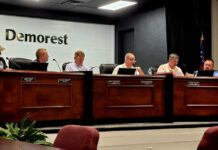

CLARKESVILLE — The Clarkesville City Council is moving forward with plans to evaluate the future of the old courthouse property downtown, approving a $15,000 feasibility study Monday night on whether a boutique hotel could be built on the site.
The council approved a proposal from Horwath HTL, a hospitality consulting firm, to conduct the study, which City Manager Keith Dickerson said should be completed within 30 to 60 days. The report will remain valid for 24 months. Dickerson stated Horwarth is a national company that works with many different hotel groups.
The city purchased the courthouse property in April for $1 million and spent another $190,000 on demolition. Early plans for redevelopment include a new fire station and a potential hotel, which council members say could provide needed business and tourism space in downtown.
The push for the study was praised by Councilman Brad Coppedge and Councilwoman Angelia Kiker who felt conducting a study would best inform the city what to do next.
Along with hotel market research, the study will include site analysis and estimated operating results. Dickerson said the data will also help the city recruit businesses.
Budget discussions
The council also reviewed a proposed $5.6 million budget for 2026, which includes tax and rate increases. Clarkesville will maintain its property tax millage rate, but a change in calculation — the city now taxes at 40% the assessed value instead of 100% — means the rate will appear higher at 13.570 mills, compared to 5.428 in 2025. Taxes on a $250,000 home would remain at $1,357.
City revenues are projected to rise 13.8 percent, with expenditures in the general fund increasing about 8.5 percent. The budget reflects higher costs for power, landfill tipping fees, postage, and water treatment chemicals. It also includes a 2.7 percent cost-of-living adjustment for staff and $20,000 monthly in water department needs.
Water customers will see a 9 percent increase in base rates, and garbage rates will also rise. The budget allocates money for technology upgrades, including a 911 radio system, and long-term infrastructure projects such as manhole relining and a new sewer main along the river.
Dickerson said the city is working to build reserves for emergencies, targeting $2 million. He also noted new housing developments could generate additional property tax and utility revenue.
The city will hold three public hearings on the budget and millage rate at 9 a.m. Sept. 23, 12:30 p.m. Sept. 29, and 6 p.m. Oct. 6, with final approval expected Oct. 6.