
The diagnosis lands like a hammer: Expressive Language Delay.
A mother and father glance toward their daughter in the corner, a picture book flipped upside down in her small hands. Their brows tighten. They ask what it means.
The speech pathologist explains. The child understands what others say but struggles to respond in full sentences. She reaches for words she cannot find, stumbles through verbs, and leaves stories half told. When she tries to explain her thoughts, frustration rises like a tide. The difficulty, left unchecked, can follow her into friendship, writing, and schoolwork.
The treatment costs hundreds of dollars each month, private therapy in Atlanta, paid out of pocket because their insurance refuses to cover it. Both parents work full-time. The grandparents live two time zones away, in Scottsdale, Arizona. Someone will have to cut back hours at work, but once the travel and therapy bills arrive, even that sacrifice seems impossible.
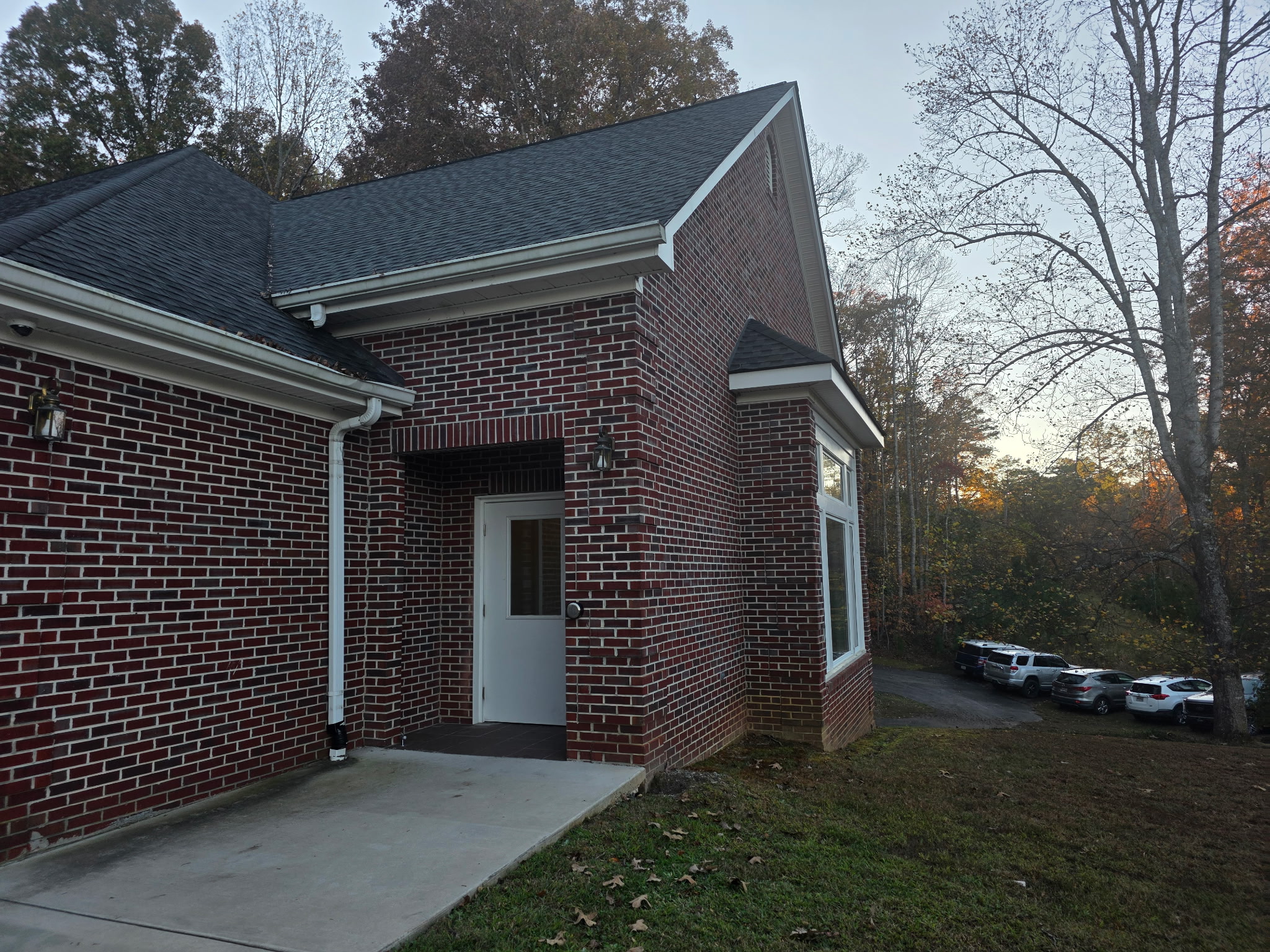
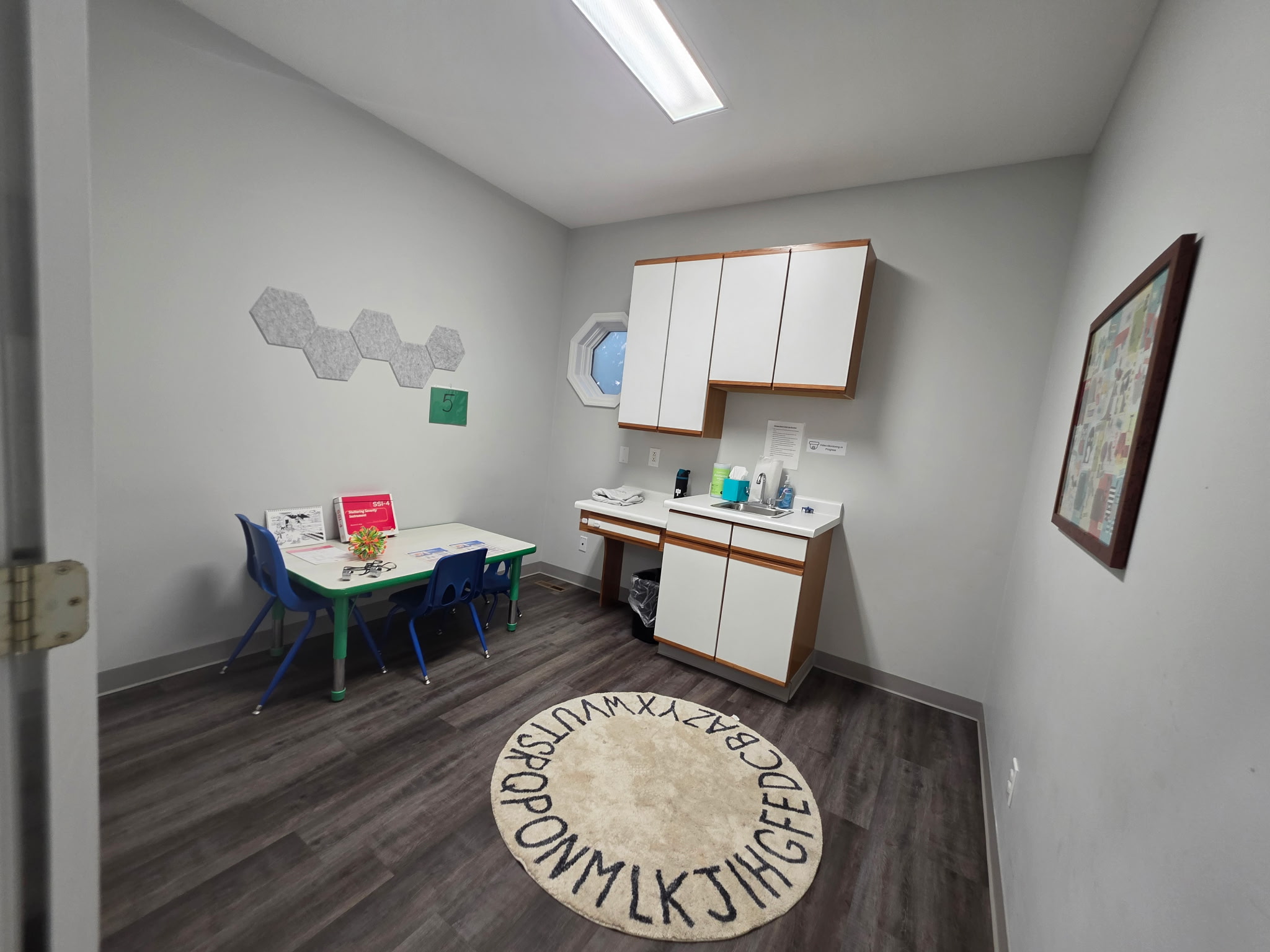
For families like theirs, a new partnership between Piedmont University and Scottish Rite offers what once felt out of reach: affordable speech therapy close to home. The newly opened RiteCare Speech-Language Clinic in Demorest trains graduate students while providing low-cost or free services to the public, filling a void that has long left parents waiting months for help.
Filling a void in rural Georgia
Speech therapy has remained scarce across much of Northeast Georgia, where private clinics charge steep rates and waiting lists stretch into the summer.
“This is a fantastic opportunity for the Habersham County community,” said Amy Cox, a clinical supervisor and placement coordinator at Piedmont University. “There’s a real shortage of speech services here. A lot of clinics have waiting lists that go on for months. We’re able to keep our list short, and the cost of coming here is considerably less.”
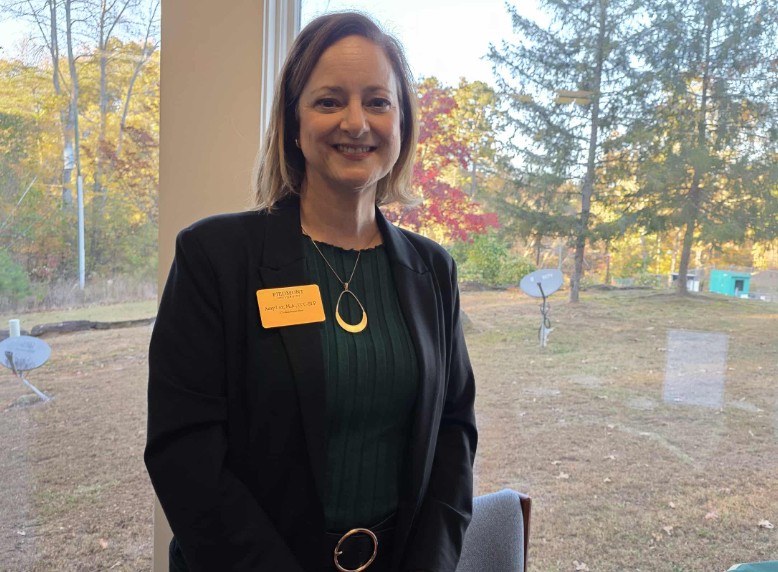
The clinic serves both children and adults who face challenges with speech, language, articulation, or communication. Certified speech-language pathologists supervise graduate students as they conduct therapy sessions, creating a model that strengthens both professional training and patient care.
Piedmont’s communication sciences program blends academic study with clinical experience. At the university clinic, first-year graduate students provide therapy for Habersham County clients, supervised by speech-language pathologists who direct the program.
By their second year, they work in the community: schools, hospitals, and outpatient centers. “Our students are the lifeblood of the department,” Speech-Language Clinic, Dr. Megan Cuellar of the Communication Sciences and Disorders said. “They learn by serving, and in the process they make therapy possible for families who otherwise couldn’t afford it.”
A tradition of care
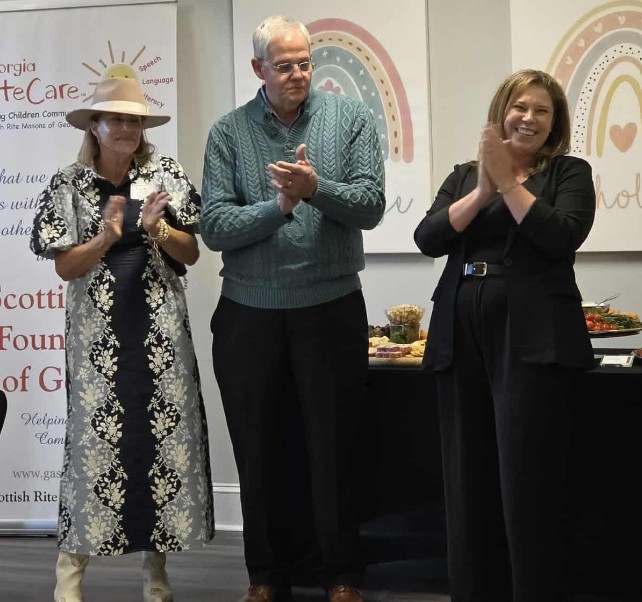
At the grand opening of the RiteCare Speech-Language Clinic on November 4, Dr. Megan Cuellar emphasized both gratitude and responsibility.
“We have positively impacted every single client and family that has walked through the doors,” she said. “Whether we reduce the cost or cover it entirely, we make sure every child and family receives care.”
Piedmont University president, Marshall Criser, reflected on Scottish Rite’s long tradition of service.
“In the 1990s, my wife and I had a child who needed someone special,” he said. “Scottish Rite was where we turned. That name has always stood for quality, expertise, and compassion. Through this partnership, families in Northeast Georgia will receive the same level of care and commitment.”
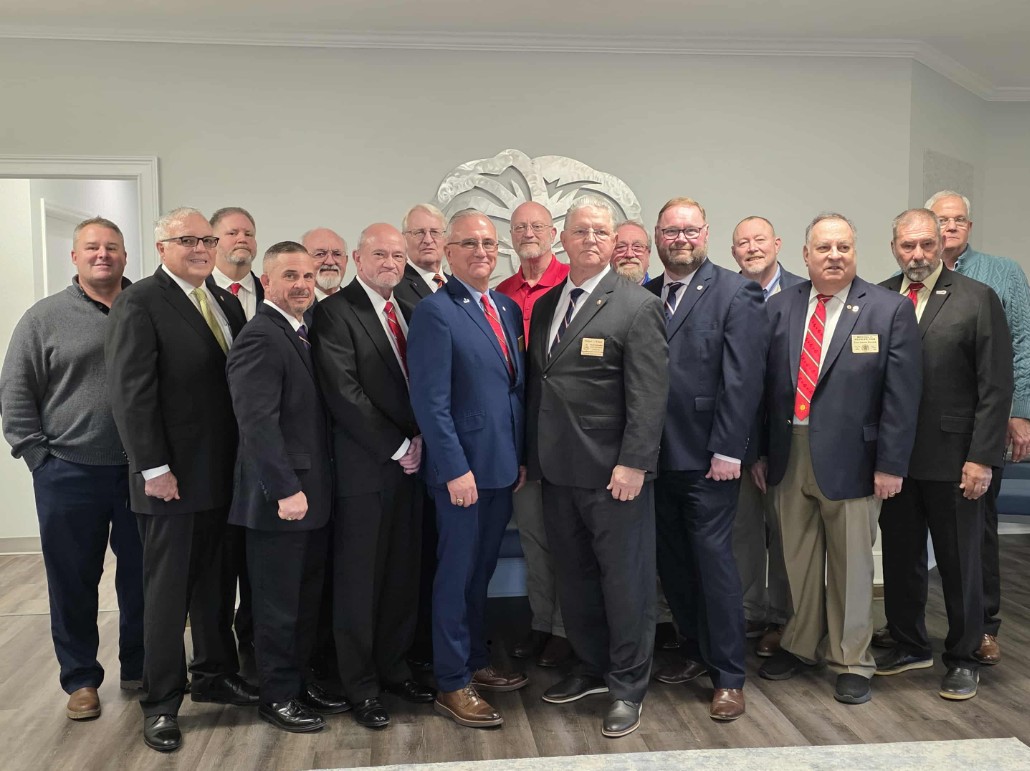
Representatives from the Scottish Rite Foundation of Georgia described the new clinic as one of several they support across the state. Grand Master Michael Wilson of the Valley of Atlanta said the organization’s goal is simple: to help children and families who need speech or language support. Then mentioned the testimonials displayed on the table, describing them as the motivation for what they do. The foundation, established in 1980, funds clinics, scholarships, and communication programs statewide. Piedmont faculty thanked the group for its long-standing commitment, noting that the partnership allows graduate students to gain clinical experience while serving local families.
A Classroom That Serves the Community
Graduate students like Meredith Lynn and Katie Lucas view the clinic as both a classroom and a calling. “I design activities around literacy,” Lynn said. “That way, I can target language, articulation, and even augmentative communication, using gestures or a core word board to help children express themselves.”
On a long table near the entrance, stacks of colored paper spill across the surface, notes from parents, teachers, and students. “This improved my child’s speech drastically,” one card reads. Another says, “She now expresses her ideas clearly without frustration.” Each slip of paper tells a small story of progress: a child speaking in full sentences, another gaining confidence with classmates, one reading with new comprehension.
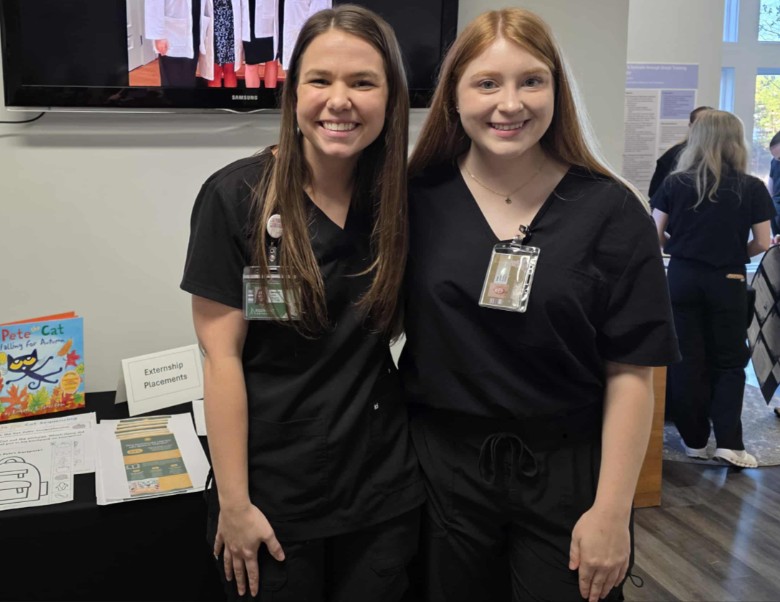
Beside them, a poster titled “Developmental Delays – Language” defines what’s at stake and why early intervention matters. It describes language delay as a developmental gap between a child’s age and their expressive or receptive skills and highlights the importance of support before age nine, when foundational language pathways solidify. Another display, “Speech & Literacy Integration,” links reading and speech development. It notes that 85 percent of children with speech disorders struggle with literacy and argues that embedding books, writing, and phonological awareness into therapy sessions strengthens articulation, vocabulary, and confidence.
Together, the cards and displays tell the same story: language therapy doesn’t just teach children to speak, it helps them find their voices, their confidence, and their place in the classroom.
Austin Norris, a second-year graduate student, stated, “It’s rewarding to serve the community while learning from it. We’re gaining real experience and helping people who might not otherwise receive therapy.”
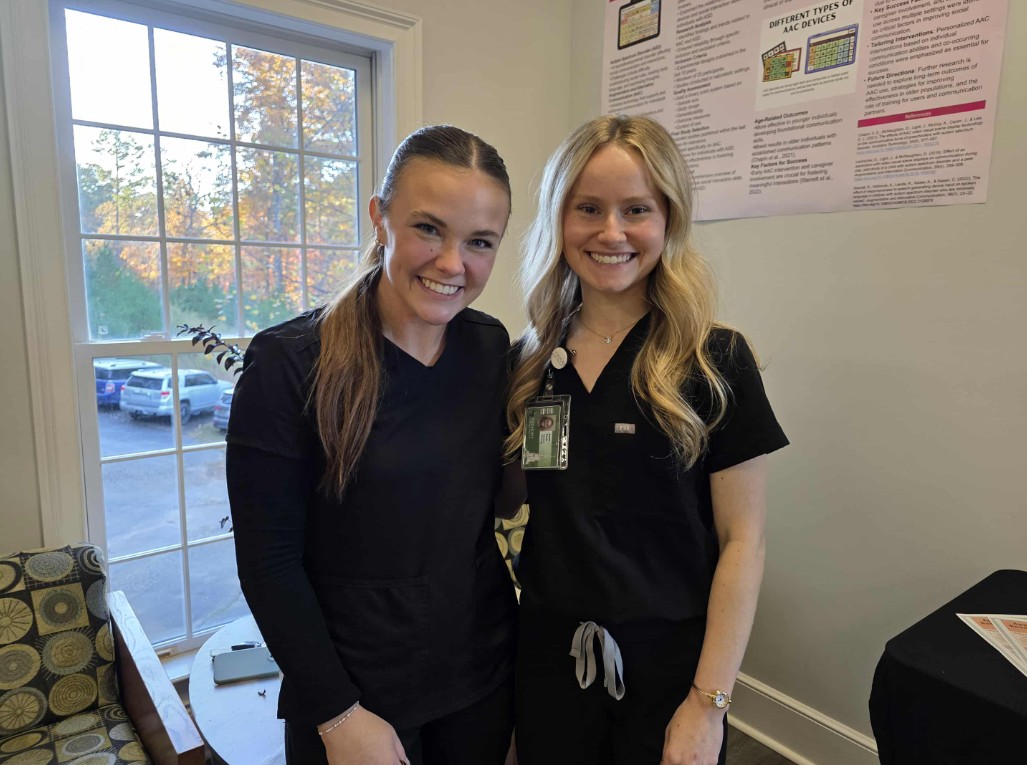
The clinic’s model, education paired with access, has already begun to change the equation for families who once faced impossible choices. For the parents in the waiting room, watching their daughter trace pictures across the pages of her upside-down book, this place offers something beyond affordability. It offers hope.
Here, a diagnosis no longer sounds like a verdict, but simply step one.