

Beginning November 1, no SNAP benefits will be available due to the government shutdown. Existing EBT cards will still work if there is money available on them, but regular November payments will not be received. For area organizations supplying food to hungry families, challenging times lie ahead.
“Yes, this is a crisis. We are beefing up our inventory as best we can. We started that before our busiest time, which is during the holidays. Meeting the demand will not be easy,” explained Frank Sheppard, CEO of Feeding the Valley.

Feeding the Valley distributes food in 17 counties in West Georgia and to Russell County in Alabama. At a time when the organization was already facing a substantial food shortage and with Thanksgiving ahead, the loss of SNAP benefits couldn’t have come at a worse time.
In rural areas of Georgia, their Mobile Pantry Program provides food to more than 12,000 families a month with limited access to a grocery store or an emergency food pantry.
“We also sell food for about 19 cents a pound to more than 300 organizations that distribute food to the homeless and hungry,” said Sheppard.
Some of the Feeding the Valley food distribution supply comes from donations, and about 50% comes from the Commodity Supplemental Food Program through the USDA. Sheppard says that supply chain came to a halt with the Government shutdown.
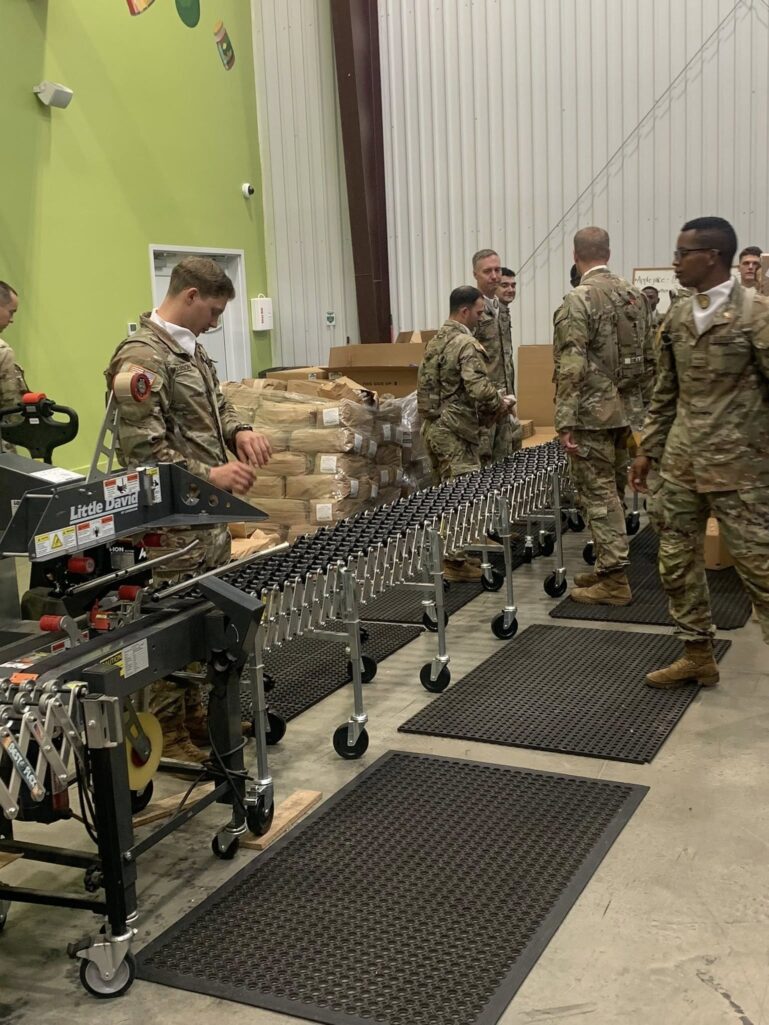
The organization is also responding to a call for help from active duty military families at Fort Benning. Although the Trump Administration moved money to cover their pay last month, military deposits arrived later than normal, which created more debt and hardship.
“We delivered food to the National Infantry Museum for 250 military families in October. In November, that jumps to supplementing food for 450 families.”
In looking for ways to address the hundreds of daily questions from those who are hungry, barely getting by, and now face the loss of SNAP benefits, Feeding the Valley has developed a new initiative, the Community Hunger Relief Fund. The goal is to raise $500,000.
The campaign targets expanding food sourcing to fill the gap of federal cuts, growing the meal delivery program to reach more children and homebound seniors, and launching neighborhood markets to provide options for families caught in the gap of earning too much for assistance but not enough to make ends meet.
“The one wild card in all of this is that we don’t know how long the shutdown will last. Our goal is to be prepared,” said Sheppard.
To donate to Feeding the Valley’s Community Hunger Relief Fund, click here.
Tomorrow, we will have an in-depth look at how two different agencies are responding to serving those in need and more ways to help your community.