October is shaping up to be a great month for stargazers with a pair of comets and a new moon meteor shower.
Pair of comets
It isn’t often there are two particularly bright comets in the sky at any one time. It has been several years since the last naked-eye comet. Comet Neowise in 2020 was spectacular for the Northern Hemisphere, although Tsuchinshan–ATLAS technically crossed the threshold in October 2024 at a lower brightness.
This year’s pair isn’t expected to be particularly bright, but one could become visible to the naked eye. The two comets, named C/2025 R2 SWAN and C/2025 A6 Lemmon, are both currently visible with a set of binoculars after sunset.
Comet SWAN was discovered just last month, in September 2025. The comet is currently around 6-7 magnitude, putting it out of range of our eyes. However, it is an excellent target for backyard telescopes, strong binoculars, and long exposure photography. You can currently find it in the western sky about 1 hour after sunset, up and left of Mars.
As the month progresses, the comet will gradually rise higher in the sky. Barring any major outbursts, it has already reached peak brightness, so if you want to catch it, do so as soon as possible.
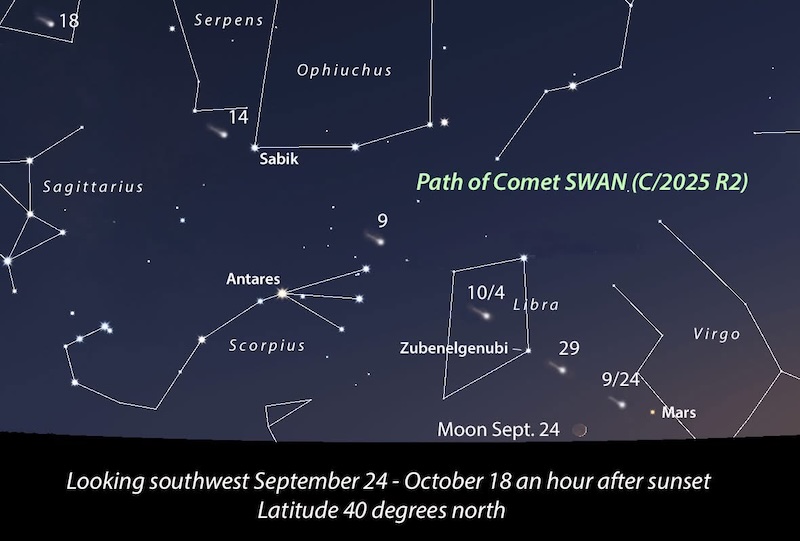
Source: Earthsky.org
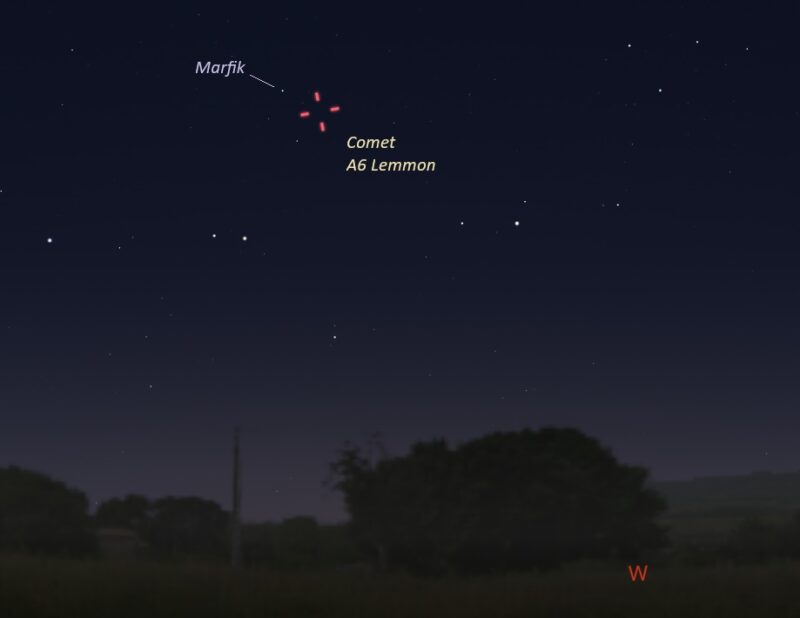
The second comet, Comet Lemmon, is much more exciting and has a decent chance to become bright enough to see unaided from dark skies. Lemmon will be visible near the Big Dipper through mid-month before becoming visible in the evenings late in the month. With this month’s full moon on October 6th, the late-month peak is perfect.
Lemmon will make its closest approach to the sun on November 8th, but will peak in brightness before that. This is because Lemmon will pass pretty close to Earth in late October. Technically, the nearest approach comes on October 21st, but a combination of distance from the Earth/sun and viewing angle means peak brightness will likely come around Halloween. By Halloween, Lemmon will be plenty high in the evening sky, though located somewhat away from other easy-to-find objects. That said, Lemmon will be moving quickly across the evening sky, so keep an eye on star charts for any given night’s location.
New moon meteor shower
Unfortunately, the moon has not been kind to meteor showers this year. The best show of the summer, the Perseids, was completely washed out. The Geminids in December will be dealing with only about a quarter-phase moon — better, but still not great.
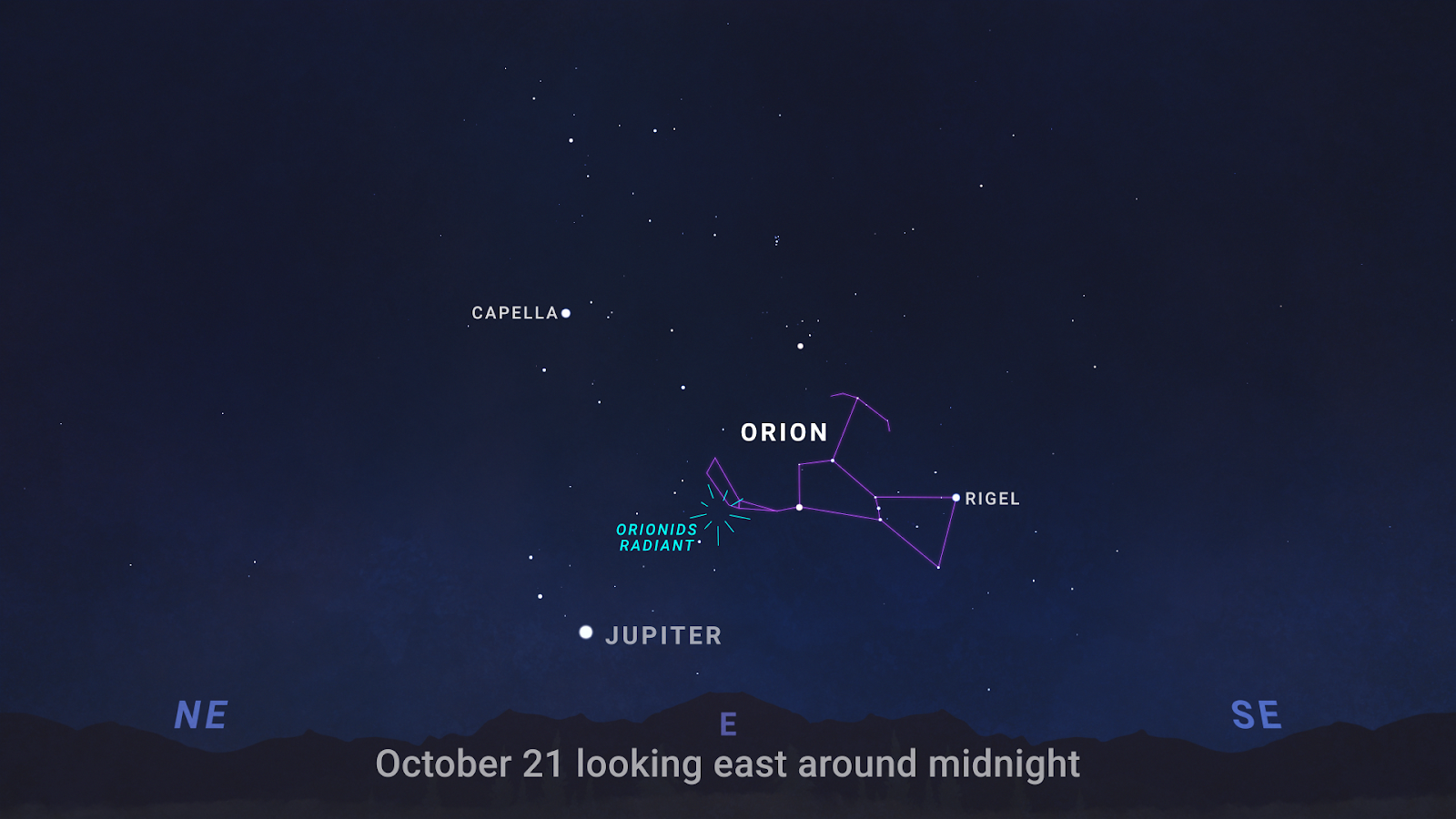
This month, we have the Orionids. Luckily for us, the Orionids peak on October 21st, the same night as the new moon. That means we’ll have completely dark skies and excellent viewing conditions (barring clouds).
The Orionids are far from the most prolific of the year, but with the dark skies, they will certainly be worth checking out. Meteor rates peak around 20 per hour with a radiant of, you guessed it, Orion. The infamous Halley’s Comet is the source of this shower.
As usual, the meteors are possible anywhere, but they will all trace back to the radiant. Rates are best from midnight onward as the radiant rises higher in the sky.
Full Hunters Moon
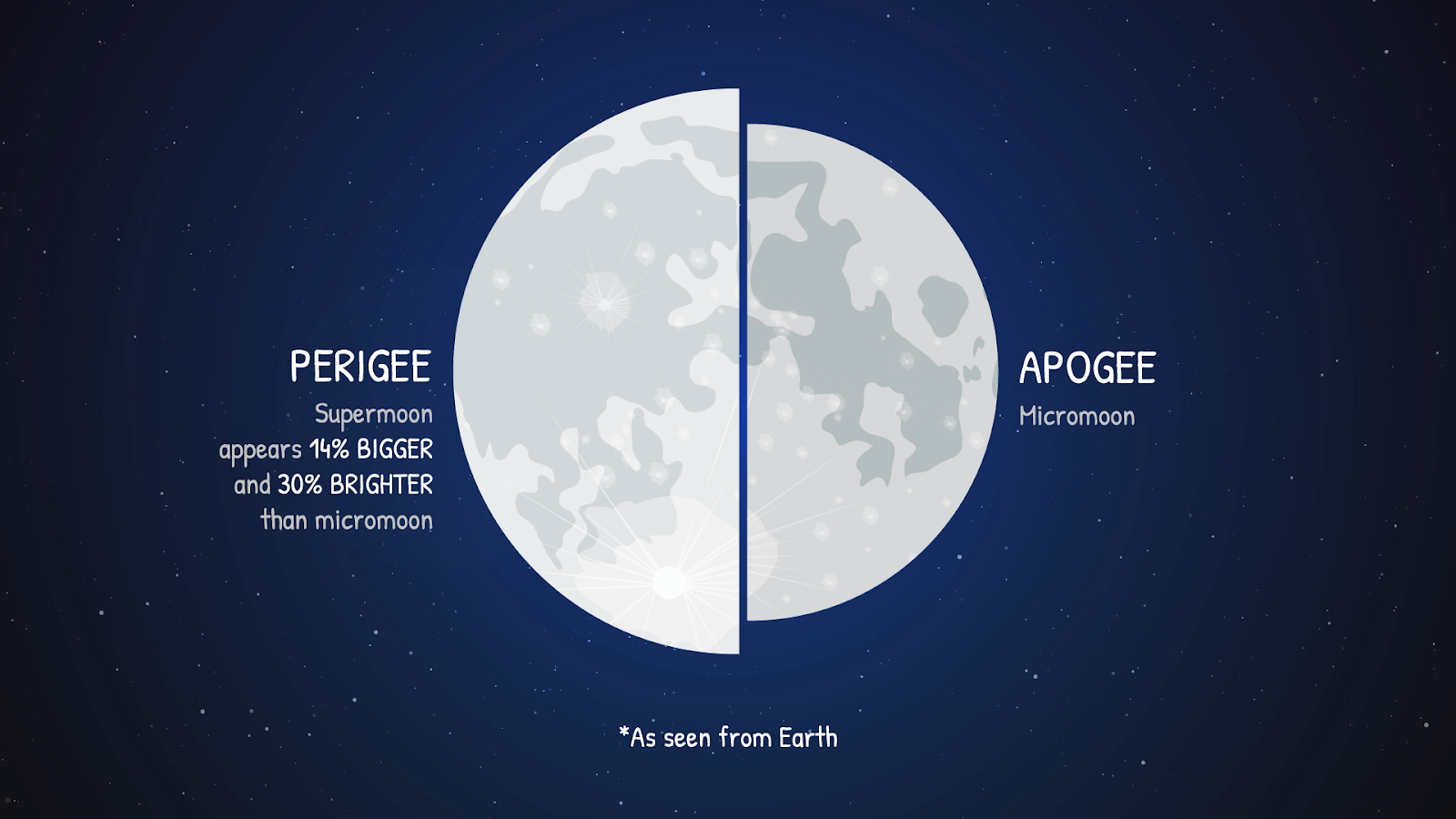
We’ll also see the Full Hunters Moon on October 6th. The moon will be full at 11:48 p.m. EST, although the current weather forecasts aren’t particularly optimistic for viewing. If we do get some clear skies, this month is a “supermoon”, meaning the moon is near its closest point to Earth in its orbit.
This month, the moon will be about 14% bigger and 30% brighter than at its smallest. This isn’t a particularly noticeable phenomenon, but catching the moon as it is rising behind distant objects and seeing the “moon illusion” can enhance the effect.
As you can see, October is a great month for skywatchers. Here’s hoping the weather cooperates
Watch the skies!